

Story Games














What Are Story Games?
Story Games are games built around narrative progression and player involvement in the story. Instead of using a story only as background for gameplay, these games make characters, dialogue, events, relationships, and player decisions important parts of the experience.
Some Story Games follow a mostly linear plot, while others let players choose dialogue, affect relationships, follow different paths, or reach different endings. Adventure games may use story as the structure for journeys, quests, and character-driven objectives, while RPG games can add character progression, dialogue choices, quests, and decisions that shape the narrative.
Story Games can also use exploration to reveal new locations, characters, and parts of the story. Mystery-focused games may make clues, investigation, and hidden information central to narrative progression, while action games can combine story-driven missions with combat and other real-time gameplay. The defining feature is that the story and the player's interaction with it remain central to the game.
Story Games and Different Ways to Play Online
Story Games make storytelling, characters, dialogue, and player choices central to the gameplay experience. Players can investigate mysteries, explore narrative worlds, develop relationships, make important decisions, and influence how a story unfolds.
Visual Novel Story Games
Visual Novel Story Games present stories through illustrated scenes, character dialogue, narration, and player decisions. Players often read conversations, interact with characters, make choices, and follow different narrative routes.
Some visual novels have multiple endings based on earlier decisions, while others focus more on character relationships and a mostly linear story.
Interactive Fiction and Choice-Based Games
Interactive fiction and choice-based games make decisions and branching narratives central to progression. Players may choose dialogue, actions, locations, or responses that change what happens next.
These games can use text, simple visuals, or interactive scenes to present different paths and outcomes. The main gameplay challenge often comes from understanding the situation and deciding how the story should develop.
Narrative Adventure Games
Narrative Adventure Games combine storytelling with exploration, character interaction, investigation, and puzzles. Players may travel between locations, examine objects, talk with characters, and uncover new parts of the plot.
The story often progresses as players solve problems or discover information, making exploration and interaction part of the narrative experience.
Mystery and Detective Story Games
Mystery and Detective Story Games focus on uncovering hidden information and solving cases. Players can investigate locations, examine clues, question characters, connect evidence, and reconstruct what happened.
Some games combine detective mechanics with puzzles, horror, adventure, or branching choices. The central goal remains discovering information and resolving the mystery.
Story-Driven RPG Games
Story-Driven RPG Games combine narrative progression with role-playing systems. Players may develop characters, complete quests, interact with companions, explore worlds, and make decisions that affect the story.
Character stats, abilities, equipment, combat, and progression can support the narrative while quests and dialogue move the story forward.
Life and Relationship Story Games
Life and Relationship Story Games focus on everyday situations, personal decisions, character relationships, and changing social outcomes. Players may manage conversations, build relationships, make lifestyle choices, or follow different personal paths.
These games can include slice-of-life adventures, dating and relationship systems, life simulation elements, or character-focused narratives.
How Story Games Work
Story Games use narrative systems to connect player actions with story progression. The exact structure depends on the game, but common elements include:
- Dialogue and Conversations – Characters communicate information, reveal personalities, provide clues, and move the story forward.
- Narrative Progression – Completing objectives, discovering information, or reaching new locations can unlock the next part of the story.
- Player Choices – Dialogue and action choices can change relationships, events, available paths, or story outcomes.
- Branching Paths – Some games divide the narrative into different routes based on decisions made earlier.
- Character Development – Characters can change through relationships, experiences, quests, and important events.
- Consequences – Earlier decisions may affect later conversations, relationships, events, or endings.
- Multiple Endings – Some games provide different conclusions based on the player's actions throughout the story.
Not every Story Game uses branching choices or multiple endings. Some focus on a carefully structured linear narrative, while others give players greater control over the direction and outcome of the story.
What Can You Do in Story Games?
Story Games give players different ways to interact with a narrative. You can:
- Make dialogue and story choices.
- Investigate mysteries and detective cases.
- Explore locations connected to the story.
- Talk with characters and discover their backgrounds.
- Build and change relationships.
- Complete narrative quests and objectives.
- Solve puzzles that reveal new parts of the plot.
- Develop RPG characters while progressing through a story.
- Influence events through important decisions.
- Discover different story paths and endings.
- Replay a game to experience alternative choices and outcomes.
What Makes Story Games Different?
Story Games put narrative interaction at the center of the experience. Their gameplay can involve exploration, puzzles, combat, simulation, or role-playing, but these systems support a larger story built around characters, events, choices, and consequences.
The main difference is player involvement in the narrative. Instead of only watching a story unfold, players can often interact with characters, make decisions, investigate information, and influence what happens next.
Best Story-Driven Games to Play
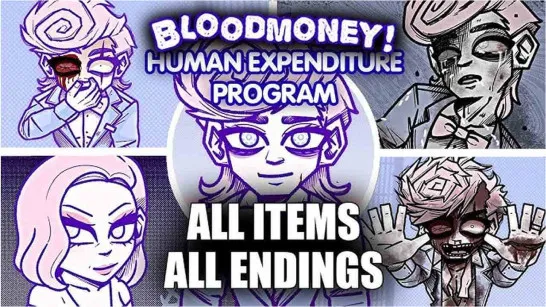
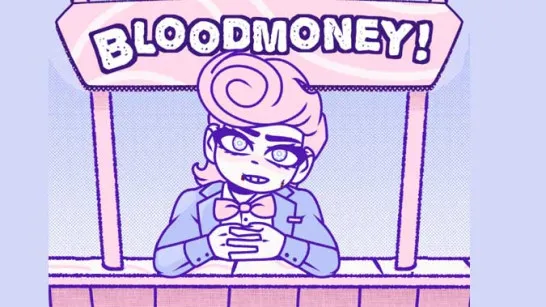
- BLOODMONEY – A morbid, narrative-based experience full of suspense and ethical dilemmas.
- Baldi's Basics – Uncover a twisted, lore-rich mystery behind an increasingly unstable teacher.
- Evil Nun – Escape a haunted school steeped in a dark, unfolding backstory.
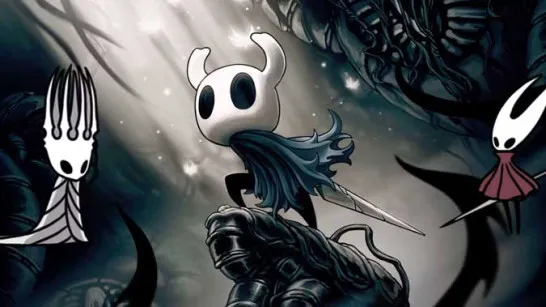
- Hollow Knight – A critically acclaimed adventure blending atmospheric storytelling with exploration.
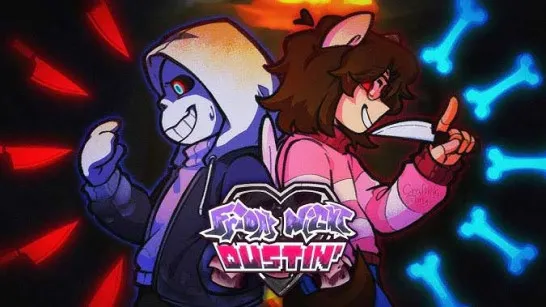
- Undertale 10th Anniversary – A story-driven RPG where your choices shape every battle and ending.
- A Dark Room – A minimalist text-based story of survival and mystery.
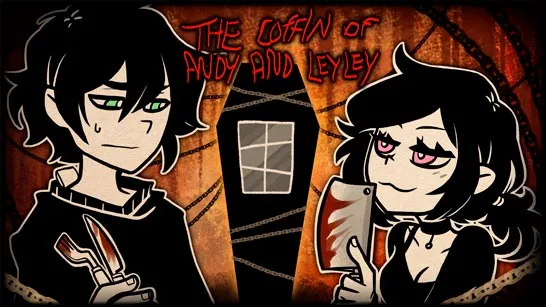
- The Coffin of Andy and Leyley – A dark, narrative-driven psychological horror story.
- Fears to Fathom – Experience chilling, story-based horror inspired by real events.
- Doors Castle – Navigate a horror-filled castle steeped in dark, unfolding mystery.