

Puzzle Games







What Are Puzzle Games?
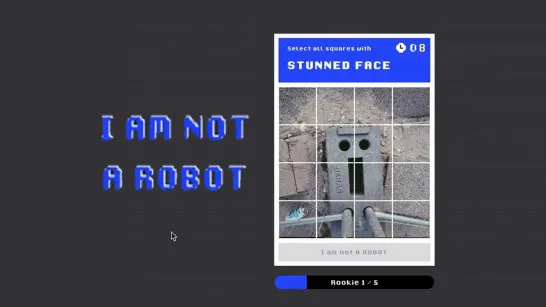
Puzzle Games are a genre of arcade games designed to challenge a player’s problem-solving abilities through logic, pattern recognition, or wordplay. These games often require players to think critically, plan ahead, and use cognitive skills to complete objectives, whether it’s arranging tiles, solving riddles, unscrambling words, or navigating complex mazes. Puzzle games can range from traditional formats like crosswords, Mahjong, and Sudoku, to modern interactive experiences like escape rooms, match-3 games, and 3D spatial puzzles. Other popular formats include word search, jigsaw, hidden object, quiz, number, and sorting puzzles, each offering different ways to test memory, logic, observation, and pattern recognition. With varying levels of difficulty, they appeal to casual gamers seeking relaxation as well as enthusiasts looking for a mental workout.
Ready to sharpen your brain and have fun while you're at it? Our Puzzle Games collection on ZapGames offers a diverse lineup of challenges for every kind of thinker - from word wizards and logic lovers to number crunchers and casual gamers. Whether you're solving a crossword, completing a jigsaw, finding words in a word search, spotting a hidden object, answering a quiz, sorting items, matching tiles, or rotating 3D shapes, there's a puzzle here that'll keep you engaged and entertained.
Puzzle Games and Different Types to Play Online
Puzzle games are a genre of online games built around problem-solving, logic, pattern recognition, memory, and observation. Players solve challenges by arranging objects, finding patterns, matching tiles, completing words, navigating spaces, or working out the right solution.
Logic & Brain Puzzles
Logic and brain puzzles challenge players to think carefully, recognize patterns, and find solutions using reasoning. Popular examples include Sudoku, Minesweeper, Nonogram, and other number or grid-based puzzles.
These games often require players to plan ahead, eliminate possible answers, remember information, and solve problems step by step. Difficulty can range from simple brain teasers to complex logic challenges.
Word Games & Word Puzzles
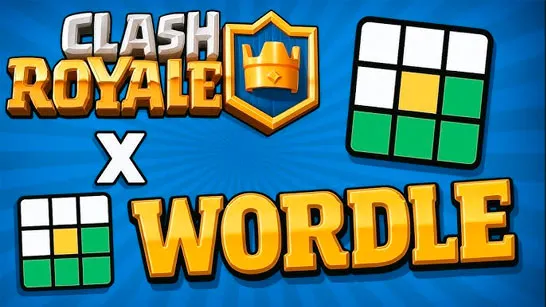
Word games test vocabulary, spelling, language skills, and pattern recognition. Common formats include Crossword, Word Search, Wordle-style games, anagrams, word matching, and letter puzzles.
Some games ask players to find hidden words, while others use clues, letter combinations, or limited guesses to find the correct answer. They can be simple enough for casual play while still providing challenging word problems.
Number & Math Puzzles
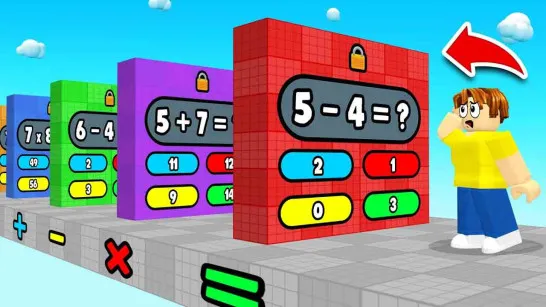
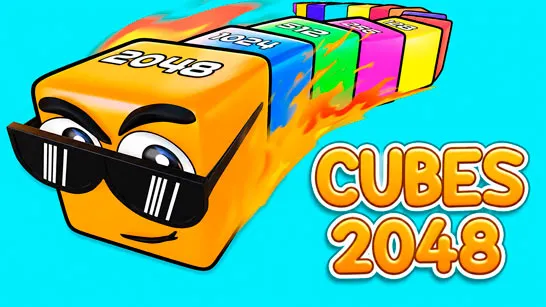
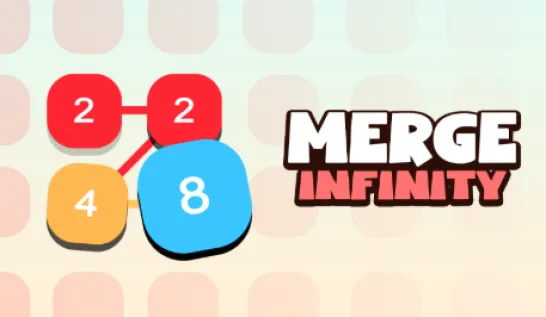
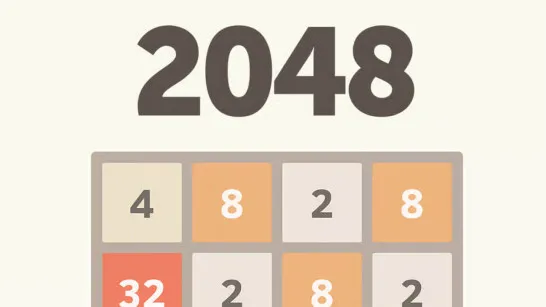
Number and math puzzles use numbers, calculations, patterns, and logical decisions as their main mechanics. 2048 is a well-known example, where players combine matching number tiles to create larger values.
Other games can involve arithmetic, number sequences, mathematical obstacles, or number-based strategy. These puzzles test calculation, pattern recognition, planning, and forward thinking.
Match 3 & Tile Matching Games
Match 3 and tile matching games are built around finding and combining matching objects. Players usually swap, connect, or remove tiles to create groups and complete objectives.
Popular mechanics include creating combos, clearing rows, matching colors, and reaching score targets. Some games add special tiles, obstacles, limited moves, levels, and rewards, combining simple controls with light strategy.
Sorting & Organization Puzzles
Sorting puzzles challenge players to organize objects according to color, type, size, order, or another rule. Water Sort and Color Sort are common examples where players move items between containers until each group is correctly organized.
These games rely on observation, planning, sequencing, and logical thinking. The basic rules are usually easy to understand, but later levels can require players to plan several moves ahead.
Block & Tetris-Style Puzzles
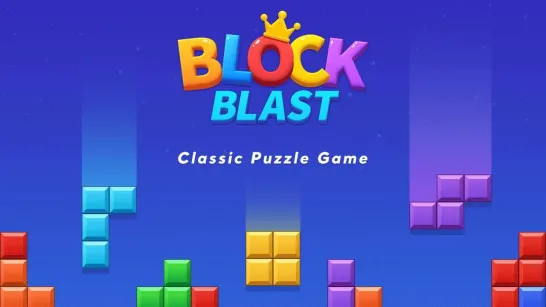
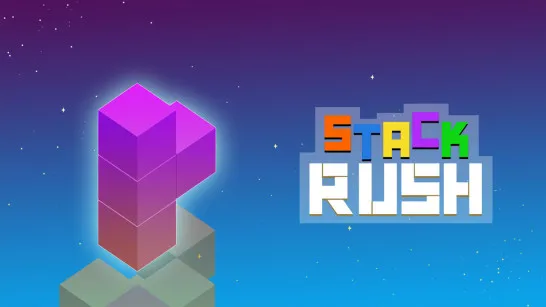
Block puzzles use shapes, grids, and spatial placement as their main mechanics. Players may stack, rotate, move, or fit blocks together to complete lines, clear spaces, or reach a target score.
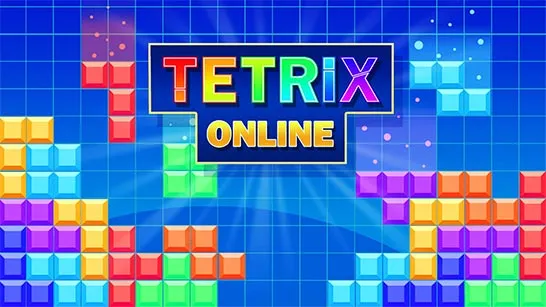
Tetris-style games and modern titles such as Block Blast combine spatial awareness with quick decision-making. Some use falling blocks and time pressure, while others let players freely place shapes on a grid.
Jigsaw & Picture Puzzles
Jigsaw and picture puzzles are based on assembling separate pieces into a complete image. Players use shapes, colors, patterns, and visual details to determine where each piece belongs.
Digital versions can include traditional jigsaw puzzles, picture matching, rotating pieces, and different board sizes. They usually focus on visual recognition, patience, and spatial awareness rather than fast reactions.
Hidden Object & Observation Games
Hidden object games challenge players to find specific items within a detailed scene. Other observation puzzles can ask players to spot differences, identify unusual objects, or remember visual details.
These games depend on attention, visual recognition, memory, and careful observation. Some add timers, limited attempts, clues, or increasingly complex scenes to make each level more difficult.
Maze & Spatial Puzzles
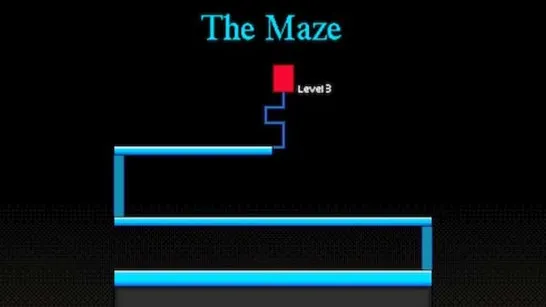
Maze and spatial puzzles require players to understand paths, positions, directions, and relationships between objects. Players may navigate a maze, rotate shapes, connect paths, or find a route to a specific destination.
Some games use simple top-down mazes, while others introduce 3D environments, moving obstacles, or physics-based movement. These mechanics test spatial awareness, planning, and problem-solving.
Card, Mahjong & Board Puzzles
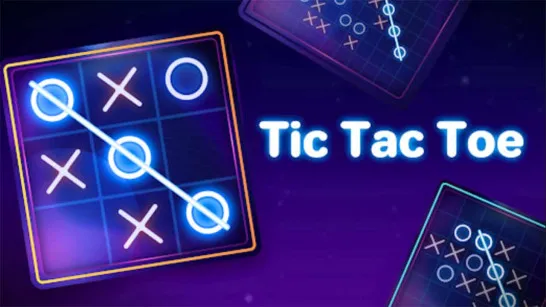
Card, Mahjong, and board-based puzzles bring classic tabletop mechanics into online gameplay. Solitaire, Mahjong, Tic Tac Toe, Checkers, and similar games can involve matching, sequencing, planning, or strategic decisions.
Many of these games use simple rules but require players to think about possible moves and future outcomes. Solitaire and Mahjong often focus on pattern recognition and sequencing, while board games can add deeper strategy and competitive play.
Quiz, Trivia & Memory Games
Quiz, trivia, and memory games challenge players to recall information, recognize answers, and make decisions under different levels of time pressure. Questions can cover general knowledge, geography, numbers, words, sports, history, or other topics.
Memory puzzles can use matching cards, sequences, images, or objects that players need to remember. These games combine knowledge, recall, concentration, and pattern recognition in short and accessible challenges.
Escape Room & Adventure Puzzles
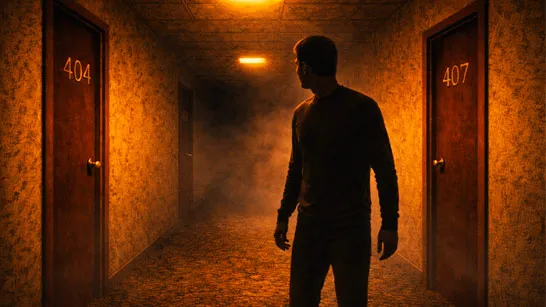
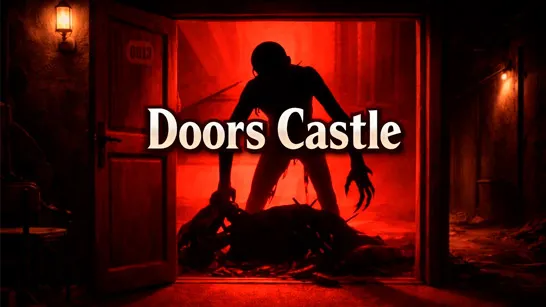
Escape room and adventure puzzles combine problem-solving with exploration and interactive environments. Players may search for clues, solve riddles, find hidden objects, use items, and complete a sequence of actions to escape or progress.
Some games use rooms and locked areas, while others build puzzles into a larger adventure. They can combine logic, observation, memory, exploration, and story-based objectives, creating a more interactive puzzle experience.
What Can You Do in Puzzle Games?
Puzzle games give players different ways to think, solve problems, and complete challenges. Depending on the game, you can:
- Solve logic problems using deduction, reasoning, and planning.
- Find patterns in numbers, colors, shapes, letters, or objects.
- Match and combine items to clear tiles, create combos, or reach targets.
- Sort and organize objects by color, type, size, order, or position.
- Find hidden objects and differences by carefully observing detailed scenes.
- Solve words and clues through Crossword, Word Search, anagrams, and word puzzles.
- Navigate mazes and spatial puzzles by planning paths and movements.
- Use hints and clues when you need help finding a solution.
- Solve challenges with limited moves or time for additional difficulty.
- Try different solutions and learn from mistakes when a puzzle has more than one possible approach.
This variety lets players choose puzzles based on the type of thinking they enjoy, from quick matching and word games to longer logic, spatial, and problem-solving challenges.
What Makes Puzzle Games Fun?
Free online puzzle games make it easy to test your brain directly in a web browser. Many games are simple to learn and can be played in short sessions, while harder puzzles provide deeper challenges that require planning and careful thinking.
A big part of the appeal comes from solving a problem and seeing the result. Puzzle games can gradually increase difficulty, introduce new rules, add time or move limits, and provide new levels or challenges to keep the gameplay engaging.
Different puzzle types also test different skills, including logic, memory, observation, vocabulary, pattern recognition, spatial awareness, and problem-solving. Whether you want a quick Match 3 game, a relaxing Mahjong puzzle, a challenging Sudoku, or an escape room that requires several steps to solve, puzzle games offer many ways to think, experiment, and have fun online.
Top Best Online Puzzle Games to Try
- 2048 – Addictive tile-sliding puzzle where numbers merge to chase the ultimate 2048 tile.
- Sudoku – Classic 9x9 grid brain-teaser, filling numbers without repeats in rows, columns, or boxes.
- Solitaire – Timeless solitaire card game, stacking suits in ascending order with strategic draws.
- Bubble Shooter – Pop matching colorful bubbles in chains for relaxing, score-boosting blasts.
- Suika Game – Drop and merge fruits in a box to evolve them into giant, juicy watermelons.
- Tic Tac Toe – Simple 3x3 grid showdown, outsmarting foes with unbeatable X's and O's.
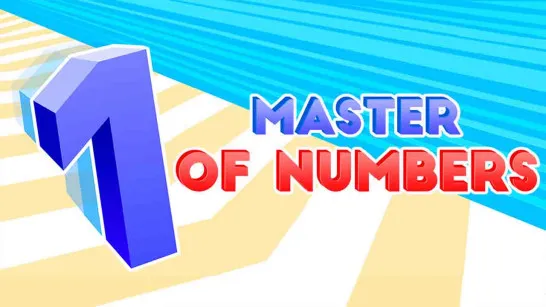
- Master of Numbers – Run and merge digits to grow big, smashing math obstacles and walls.
- Worldle – Geography Wordle: Guess the mystery country from its rotating silhouette shape.
- Crossword Puzzles - Solve word-based clues to complete challenging puzzle grids.
If you want a relaxing word search, a high-stakes number puzzle quiz, or an eerie escape room, our puzzle games section is designed to entertain and stimulate. Get ready to test your wits and maybe surprise yourself with just how sharp you are.