

Simulation Games

















What is Simulation Games
Simulation games are built around recreating real-life systems, interactive environments, and role-based experiences where players can explore, build, and experiment freely. Instead of focusing purely on reflexes like action games, simulation titles emphasize sandbox gameplay, creativity, and realistic or semi-realistic mechanics.
Simulation games give you the freedom to live out experiences you’ve only dreamed of - no licenses, no risks, and no stress. Whether you're driving through city streets, managing a business, caring for animals, or building entire worlds, these games immerse you in lifelike scenarios with the fun of gaming.
From casual and relaxing titles to deep management and strategy-driven simulators, these games offer endless variety and creativity, all playable for free directly in your web browser on ZapGames.
Simulation Games and Different Types to Play Online
Simulation Games cover many play styles, from managing cities and farms to driving vehicles or running entire businesses. Below are some of the most popular types of simulation games you can explore.
Vehicle and Driving Simulation Games
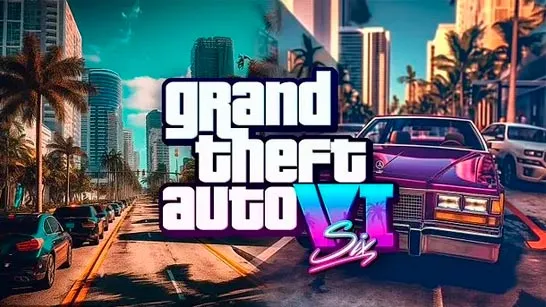
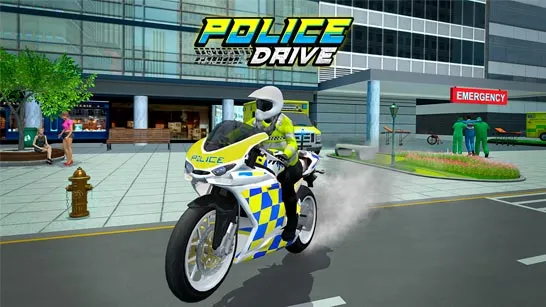
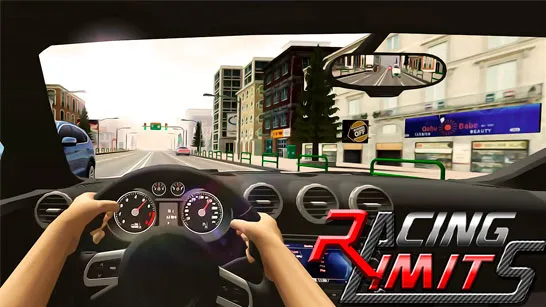
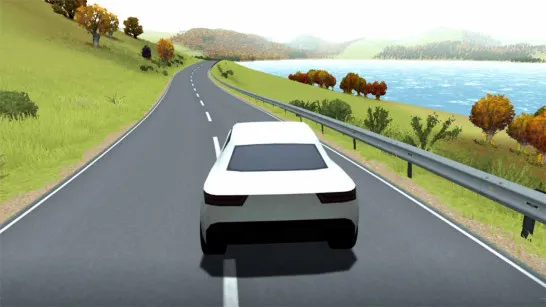
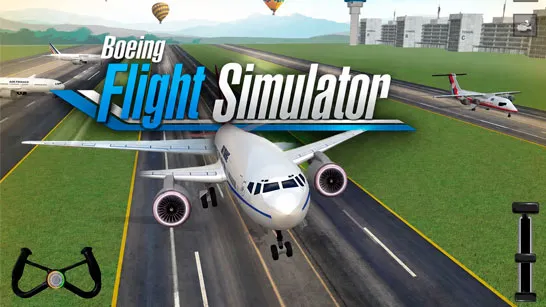
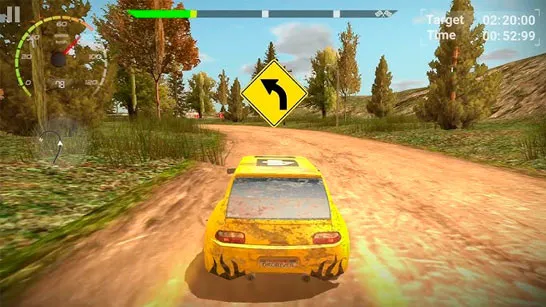
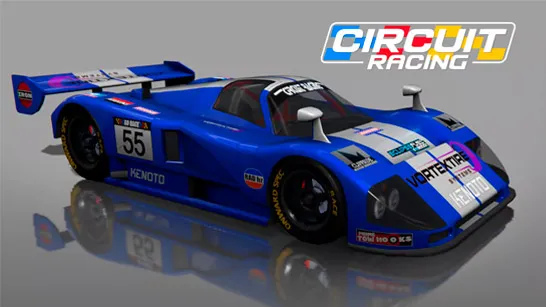
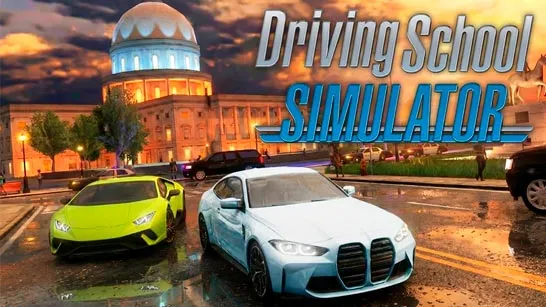
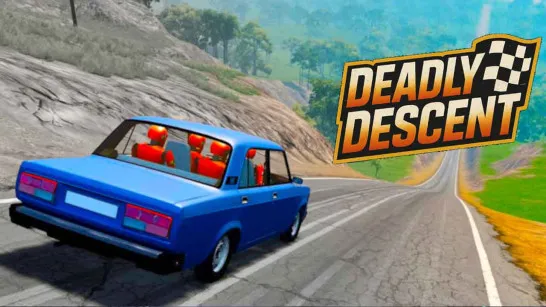
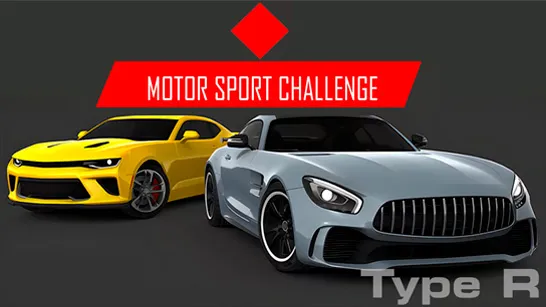
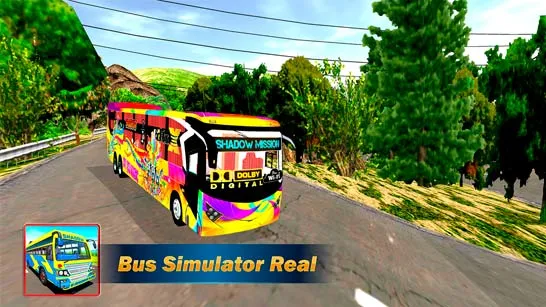
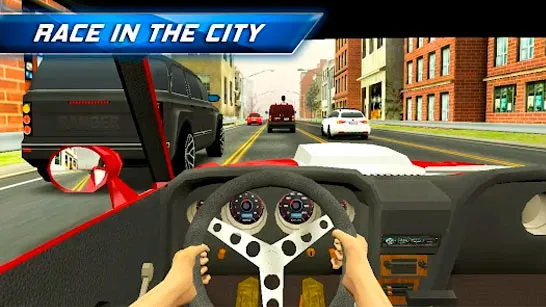
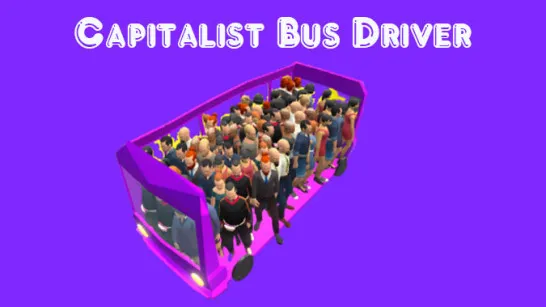
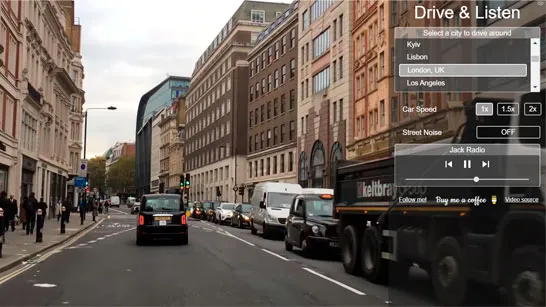
Vehicle simulation games let players control cars, trucks, buses, motorcycles, planes, and other vehicles. They often focus on steering, speed, routes, vehicle handling, parking, or completing transportation tasks.
Some games are designed around realistic driving, while others use simpler controls and arcade-style gameplay. These games can include racing, traffic, delivery, parking, and vehicle management.
Business and Management Simulation Games
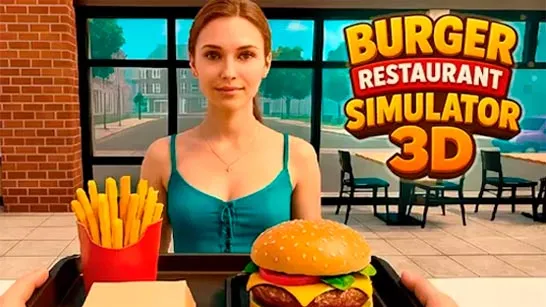
Business simulation games let players run stores, restaurants, hotels, supermarkets, and other businesses. Players may serve customers, buy supplies, manage money, set up products, and improve their businesses.
Many games use a simple progression system. Players start with a small operation, earn money, buy upgrades, unlock new products or areas, and gradually build a larger business.
City Building and Construction Simulation Games
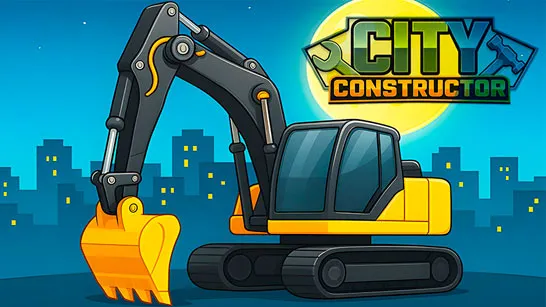
City-building games focus on creating and developing towns, cities, buildings, or other environments. Players place structures, expand their areas, and manage different parts of the environment.
Some games also include resources, population, transportation, or infrastructure systems. Players need to decide where to build and how to develop their environment as it grows.
Farming and Agriculture Simulation Games
Farming simulation games let players grow crops, raise animals, collect resources, and develop farms or gardens. Common activities include planting, watering, harvesting, selling products, and upgrading equipment.
Some farming games are detailed simulations, while others use simple systems that are easy to learn. Garden and farm games can also combine farming with exploration, crafting, or business management.
Life and Everyday Simulation Games
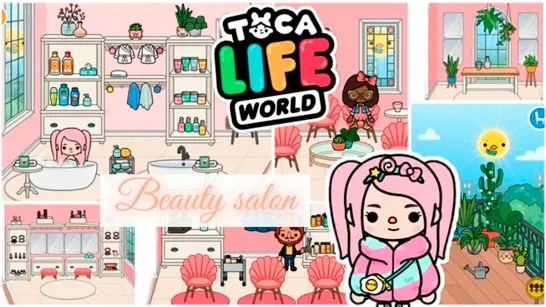
Life simulation games turn everyday activities into interactive gameplay. Players can cook, clean, decorate homes, organize rooms, manage characters, or complete other daily tasks.
Games such as house decoration and cleaning simulations make simple activities part of a progression system. Players often complete tasks, improve spaces, earn rewards, and unlock new activities.
Animal and Creature Simulation Games
Animal simulation games let players control animals or other creatures and experience the world from their perspective. Gameplay can include exploration, hunting, survival, movement, and interaction with other creatures.
Some games use open-world environments where players can freely explore and complete objectives. Others focus on specific animal behaviors or simple creature-based challenges.
Creative and Experimental Simulation Games
Some simulation games are built around experimentation rather than realistic activities. Players can combine elements, create objects, test systems, or see how different parts interact.
Games such as Little Alchemy 2 show this creative side of simulation. Players experiment with combinations to create new elements and discover different results. These games can overlap with Sandbox and Puzzle gameplay while still being built around system-based experimentation.
How Simulation Games Work
Simulation games are usually built around systems that respond to what the player does. Instead of only completing a fixed sequence of levels, players interact with rules, resources, objects, characters, or environments.
A typical simulation loop may involve completing a task, earning money or resources, using them to improve something, and then taking on new or larger tasks. The exact system depends on the type of simulation.
What Can You Manage in Simulation Games?
Simulation games can let players manage many different things, including:
- Businesses, stores, restaurants, and hotels
- Farms, crops, gardens, and animals
- Cities, buildings, and construction projects
- Money, products, supplies, and other resources
- Vehicles, routes, deliveries, and transportation
- Characters, homes, rooms, and everyday activities
- Creative systems, elements, objects, and combinations
The goal is often to understand how the system works and use the available resources or actions to make progress.
What Makes Simulation Games Fun?
Simulation games are fun because they let players experience activities and systems that may be difficult, expensive, or impossible to try in real life. Players can run a business, build a city, drive a large vehicle, manage a farm, or experiment with unusual systems from a browser.
Many simulation games also provide a clear sense of progression. Players can start with limited resources, complete tasks, earn rewards, buy upgrades, expand their environment, and gradually create something larger or more efficient.
Other simulation games focus less on progression and more on freedom and experimentation. This gives players different ways to enjoy the genre, from realistic management and detailed vehicle control to simple everyday activities and creative system-based gameplay.
Top Best Simulation Games to Play Today
Here are some standout simulation games that players love:
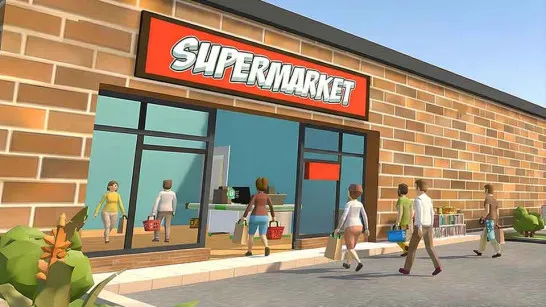
- Supermarket Master – Business simulation with resource optimization.
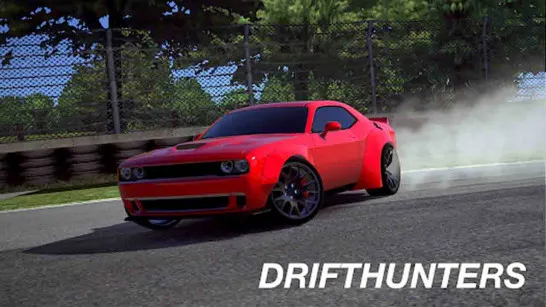
- Drift Hunters – Realistic drifting physics with vehicle upgrades.
- Perfect Tidy – Relaxing organization-based simulation challenges.
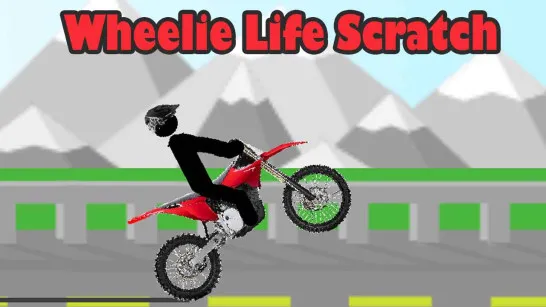
- Soflo Wheelie Life – Practice realistic wheelies and motorcycle control in an open-world riding simulation.
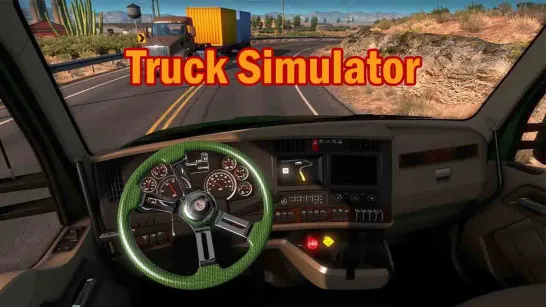
- Truck Simulator – Haul heavy cargo across long routes with realistic driving mechanics.
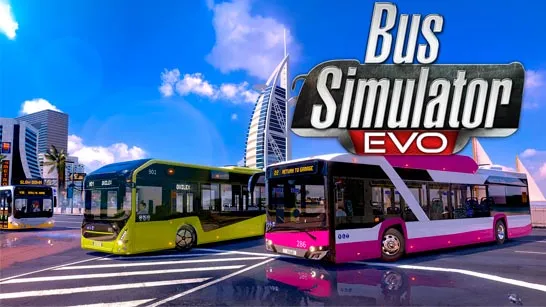
- Bus Simulator: EVO – Manage routes and passengers in this realistic bus driving simulation.
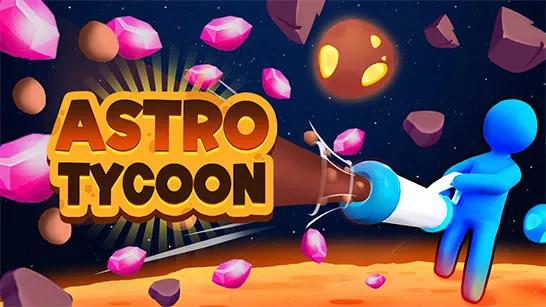
- Astro Tycoon – Build and manage a thriving space empire in this tycoon simulation.
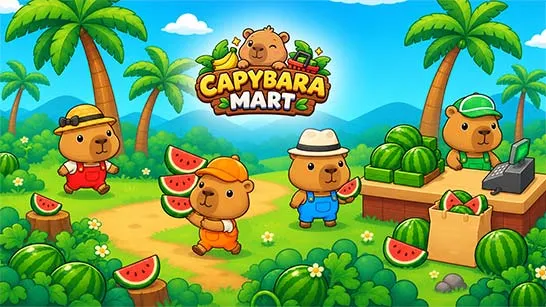
- Capybara Mart – Run and grow your own shop in this relaxing store simulation.
- Extreme Car Driving Simulator – Push realistic car physics to the limit in open-world driving.
Whether you're in the mood for creative control, fast-paced racing, or life-like challenges, there’s a sim game that fits your style.
Dive into the Simulation Games now and start creating your own world - one decision, system, and interaction at a time.