

RPG Games




What Are RPG Games?
RPG stands for role-playing game, a genre built around character progression, immersive storytelling, and meaningful player choices. Players typically earn experience points by defeating enemies, finishing missions, and discovering new areas. As characters level up, they unlock skills, equipment, and abilities that open new strategies and playstyles over time. RPGs combine combat, adventure, exploration, and long-term progression into one deeply engaging experience.
Unlike typical arcade or fast-paced action games, RPGs focus on developing a character or team through narrative, decision-making, and world interaction. Some RPGs are turn-based, others real-time, and many now include action RPG, turn-based RPG, roguelike, idle, or multiplayer (MMORPG) mechanics - giving players countless ways to play and explore. RPG settings can range from medieval kingdoms and fantasy worlds to science-fiction universes and modern environments, while their stories can emphasize character development, quests, discovery, or strategic combat.
A Brief History of RPGs
RPGs originated as tabletop role-playing games, with Dungeons & Dragons paving the way in the 1970s. These early experiences focused on imagination, dice rolls, and guided storytelling led by a game master. In 1974, digital RPGs began to emerge, eventually evolving into complex computer and online experiences. Over time, browser-based RPGs like Runescape brought large-scale adventures to players without requiring powerful hardware or long installations. Today, RPG games blend classic role-playing elements with modern mechanics like strategy, open-world exploration, and fast-paced action combat - making the genre more accessible than ever.
RPG Games and Different Types to Play Online
RPG games are a genre of online games built around character progression, combat, exploration, and role-playing. Players control characters or parties, complete quests, defeat enemies, collect items, and become stronger through levels, skills, equipment, and other progression systems.
RPG games can range from fast Action RPGs and strategic Turn-Based RPGs to Survival, Adventure, Roguelike, and Multiplayer experiences. Different games can focus on combat, exploration, character building, storytelling, resource management, or a combination of these systems.
Action RPG Games
Action RPGs combine real-time combat with character upgrades, equipment, abilities, and exploration. Players directly control their characters, attack enemies, dodge attacks, use skills, collect loot, and improve their heroes throughout the game.
These games can include fast combat, boss fights, weapons, armor, skill trees, quests, and dungeon exploration. Some focus on simple arcade-style battles, while others offer deeper character builds, equipment systems, and long-term progression.
Turn-Based RPG Games
Turn-Based RPGs give players time to choose actions before the next turn begins. Players can select attacks, skills, items, defenses, or other commands instead of reacting to enemies in real time.
Many games use parties with different character roles, such as damage dealers, healers, tanks, and support characters. Battles can depend on enemy weaknesses, status effects, character abilities, resource management, and choosing the right action for each turn.
Tactical RPG Games
Tactical RPGs combine role-playing progression with strategy-based combat. Battles often take place on grids or structured maps where movement, positioning, range, terrain, and character abilities affect the outcome.
Players build teams with different classes and decide where each character should move, attack, defend, or use an ability. Tactical RPGs require players to think about enemy positions, team composition, turn order, and the best way to use each character.
Roguelike & Roguelite RPG Games
Roguelike and Roguelite RPGs focus on repeated runs through changing levels, enemies, items, and challenges. A failed run usually sends the player back to the beginning, giving them another chance to try a different strategy.
Roguelite games often add permanent upgrades, new characters, weapons, abilities, or resources between runs. Randomized gameplay, experimentation, and progression make each attempt different while encouraging players to learn from previous runs.
Survival RPG Games
Survival RPGs combine role-playing progression with survival and resource management. Players explore dangerous environments, collect materials, find food and equipment, craft useful items, and strengthen their characters while dealing with constant threats.
These games can include crafting, building, health, stamina, inventory management, exploration, combat, and character upgrades. Some also combine survival mechanics with open worlds, quests, base building, and multiplayer gameplay.
Adventure & Open-World RPG Games
Adventure and Open-World RPGs place more focus on exploration, quests, characters, and discovering new areas. Players can travel through different environments, interact with NPCs, collect items, complete objectives, and unlock new abilities or locations.
These games can include main quests, side quests, hidden areas, collectibles, dialogue, puzzles, combat, and story progression. Open-world RPGs give players more freedom to choose where to go and which activities to complete.
MMORPG & Multiplayer RPG Games
MMORPG and Multiplayer RPG games allow players to interact with other players while developing characters in shared online environments. Players can complete quests, fight enemies, collect equipment, join groups, and take part in cooperative or competitive activities.
MMORPGs often include character classes, levels, skills, inventories, guilds, dungeons, raids, PvP, trading, and persistent progression. Smaller multiplayer RPGs can focus on co-op missions, shared adventures, or competitive battles without requiring a large persistent world.
Character Progression in RPG Games
Character progression is one of the main features that makes an RPG different from many other game genres. Players can gain experience, level up characters, improve stats, unlock skills, find better equipment, and create stronger character builds.
Depending on the game, progression can include character classes, skill trees, weapons, armor, abilities, upgrades, loot, and different attributes. These systems give players long-term goals and allow characters to develop in different ways.
Quests, Choices & RPG Worlds
Quests and exploration give RPG games a larger world for players to interact with beyond combat. Players can follow main quests, complete side missions, talk to NPCs, discover hidden locations, collect items, and uncover parts of the game world.
Some RPGs also include dialogue choices, factions, relationships, and decisions that can change parts of the story or progression. Open worlds can add additional activities and locations, while more linear RPGs may guide players through a structured adventure.
What Can You Do in RPG Games?
RPG games give players many ways to develop characters and interact with a game world. Depending on the title, you can:
- Create and customize characters with different appearances, classes, and abilities.
- Fight enemies and bosses using weapons, skills, spells, or tactical commands.
- Complete quests and side missions to earn experience, items, and other rewards.
- Explore worlds and dungeons to find new areas, enemies, characters, and hidden items.
- Collect weapons, armor, and loot to improve characters and create different builds.
- Upgrade characters and equipment through levels, skills, stats, crafting, or other progression systems.
- Build a party by combining characters with different roles and abilities.
- Make choices and interact with NPCs in RPGs with story and dialogue systems.
- Play co-op or multiplayer activities such as quests, dungeons, PvP, guild activities, or shared adventures.
This variety makes RPG games suitable for different play styles. You can focus on fast combat, explore a large world, build a powerful character, solve quests, manage resources, or play with other players depending on the type of RPG.
Top Hot RPG Games You Should Try
Here are some top-rated RPG titles you can play right now:
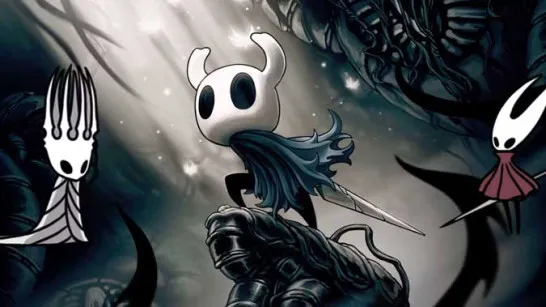
- Hollow Knight – Explore a haunting underground kingdom in a challenging Metroidvania adventure.
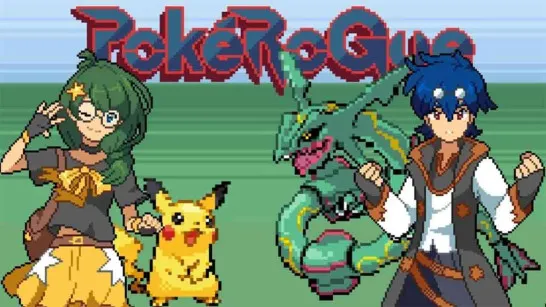
- Pokerogue – Battle and evolve creatures through endless roguelike Pokémon-style runs.
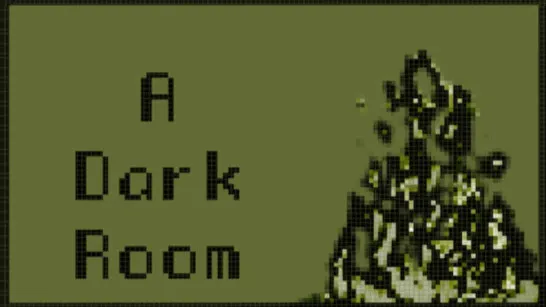
- A Dark Room – Minimalist text RPG with mysterious survival progression.
- Dungeon Raid – Dive into dungeons, defeat monsters, and level up your character's gear.
- Blox Fruits – Master powers and level up your character in this Roblox RPG adventure.
- Undertale 10th Anniversary – Navigate a story-driven RPG where your choices shape every battle.
- Dungeon Quest – Battle through dungeons, collect loot, and level up your hero.
- Stick Hero RPG – Level up a stick hero through turn-based dungeon battles.
- PokéPath TD – Train and evolve creatures in this RPG-infused tower defense.
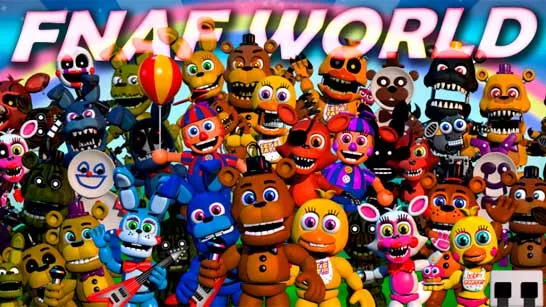
- FNAF World – Battle animatronic foes in this quirky turn-based RPG spin-off.
Start Your Journey Now!
From intense battles to peaceful exploration, RPG games let you live another life in another world - one quest, decision, or level-up at a time. Whether you prefer deep storytelling, fast-paced combat, or long-term character building, there’s always a new journey waiting.
Browse the full RPG collection on ZapGames to discover your next adventure, and check back often for new worlds, evolving challenges, and hidden gems.